Röster om Black Pearl
I have never been in a more reassuring boat than the BP in lumpy water... Whatever I wanted it to do, the BP did with grace and relatively little effort. It isn't stability but responsiveness that is remarkable.
On the other hand, when in swells and lumpy water or at higher speeds the water rides up the stems and the boat tracks very well and it is amazingly fast in these conditions
It´s like a fine sports car: goes exactly where you want it to with little effort, but it must be worked or you´ll be off the road... Given quick acceleration, the BP surfs very well and is easy to maneuver once on a wave.
John
Wanted you to know/see that I tried my first norsaq and hand rolls in my
Pearl last night at a local lake. Score?
3 for 3 – Norsaq rolls
3 for 3 – Hand rolls
And I am a very LOUSY roller!
PS – Jay Babina, Dennis and Joy Mcneil, etc others all proclaimed it a VERY
GOOD ROLLER.
Scott
Sorry it's been so long since I've sent an update. It's been a crazy spring, and summer is shaping up to be even crazier. But first things first, the Black Pearl is absolutely amazing! I finally got it out in some rougher conditions and was blown away at how well it handled. It's like it was drawn to rough water, and excelled in crazy conditions. In short, you have a very, very, happy customer.
Sänder dig ofta en tacksam tanke. Din designade pärla går så fint. Då det mesta känns för stort för mig, har min sambos pärla i ungefär storlek M varit även långfärdskajak de tre år hon funnits hos oss. Mellan 7-10 dagar i streck är hon ute varje sommar och så helgturer och dagsturer. Då min packlista är snarlik med din (sparsam), tar jag med det mesta utom tält (såvida man inte packar den i delar, men har kört med hängmatta och tarp när jag varit ute själv). Två Ikeakassar med prylar samt vatten lägger jag i den. Lite som att lägga Tetris, men det går. Fullt packad ändras inte egenskaperna, hon blir bara något lugnare. (Jag väger hälften av vad hon är designad för så jag kan packa i allt och det blir lagom ändå).
Jag tänker ofta att jag borde ta med någon av de andra fina kajakerna här hemma, men hamnar oftast i pärlan ändå. Det är den kajak jag rår på i sämre förhållanden, den kajak jag kan orka hantera själv. Den är pålitlig. lättdriven, lättpåverkad och går fint och logiskt. Men det är när jag relativt trygg sitter i lite vågigare turer jag främst tackar dig.
Mvh Helen
I was immensely anxious to take it on her first trip. I thought I done good, but there certainly was a sliver of doubt. But that completely washed away when I got my Black Pearl water born. What a fantastic boat. I've been nothing but excited to go paddling again. It's fast, light and rolls like a dream. The lines are just stunning. You designed a truly wonderful boat.
Thanks!
Wouter
Jeg er kjempe fornøyd. Synes det er en utrolig leken og morsom kajakk. Den er meget lettrullet, håndrullen satt på første forsøket også for meg. Stabiliteten er bedre enn jeg ventet. Gleder meg til å teste i mer bølger og vind.
Pål Gustad
The WP [White Pearl] is lovely to look at, beautifully made, fits perfectly, rolls effortlessly, and paddles, well, like you’d expect a boat that does exactly what the paddler wants, something like a European car or, put differently, it does take a bit of attention. At 30 pounds and quite fast, it’s the perfect boat for our Wednesday evening group paddles and who knows how much more.
John March
Som sagt är det en fantastisk kajak att paddla. Lite som att köra Ferrari...
Nils Gustavsson
...nyss hemkommen från en tur i skärgårdarna mellan Arkö och Kråkelund med BP’n så har jag dragit följande lärdomar.
- Packning: tält, kök, kläder mm samt mat för fyra övernattningar ryms med lite noggrant packande.
- Ett stopp för vattenpåfyllning går det dock åt.
- Smidigt med lätt kajak trots full packning, bara att grabba tag i sittbrunnssargen och lyfta upp på klippa eller brygga.
-Totalt deplacement 125,5 kg varav paddelviftare på 83 kg.
Således kan BP’n nyttjas till rollning, motion och turer. Detta gäller naturligtvis även andra kajaker men BP’n är snyggast -;)
Markus Loberg
Needless to say the Black Pearl is a paddler's delight, strip or SOF.
I built a SOF version this year, and have the plans for the stripper ready to start building.
Fast (very fast as a matter of fact, ask Christophe, Norsaq, France), stable, very good roller, anything you want, except storage space.
Erik van Woerkens
Black Pearl
Senast uppdaterad den 2 maj 2026, 143 kommentarer
Bilder | Specifikationer | Mer om | Bakgrund och historia
Ritningssats, Black Pearl - 2 600 SEK
Beställ
Snabbtitt på prestanda

manöverbarhet |

kursstabilitet |

marschfart |

toppfart |

initialstabilitet |
slutstabilitet |
lastkapacitet |
Rekommenderad utrustning: justerbar skädda roder skott/luckor
Black Pearl är en lång, låg och mycket smal kajak, av östgrönländsk typ. Den är extremt lättmanövrerad och reagerar direkt på minimala tyngdpunktsförskjutningar, lutningar mm och har stillräcklig slutstyvhet för att kunna snurra runt på ett högt stöd. Den är mycket lättrollad. Black Pearl är initialrank men har en slutstyvhet som gör att man relativt snabbt vänjer sig. Våta ytan är minimal vilket ger mycket lågt friktionsmotstånd. Tillsammans med den låga vikten ger det glimrande acceleration – ett par tre paddeltag till toppfart. Trots den suveräna manöverbarheten är Black Pearl kursstabil i fart och är tämligen okänslig för vind. Lastvolymen är liten även för den som har högst modesta krav på sådant. Det krävs en levnadskonstnär för att ta Black Pearl på långtur, som till exempel Markus Loberg:
- Packning: tält, kök, kläder mm samt mat för fyra övernattningar ryms med lite noggrant packande.
- Ett stopp för vattenpåfyllning går det dock åt.
- Smidigt med lätt kajak trots full packning, bara att grabba tag i sittbrunnssargen och lyfta upp på klippa eller brygga.
-Totalt deplacement 125,5 kg varav paddelviftare på 83 kg.
Således kan BP’n nyttjas till rollning, motion och turer. Detta gäller naturligtvis även andra kajaker men BP’n är snyggast -;)
Markus
Precis som grönländsk tradition bjuder byggs Black Pearl med perfekt passform efter användaren – den som vill bygga får maila en del mått – längd, räckvidd (fingerspets till fingerspets), höftbredd (mätt sittande på golvet), skostorlek och vikt – och får en perfekt måttanpassad ritning. Resultatet är en kajak som blir ett med paddlaren – mindre kan den inte bli, större skall den inte vara. Den individuella justeringen görBlack Pearl ett par hundralappar dyrare än mina andra ritningar.
Black Pearl har i grunden samma skrov som Hunter men är mindre, lättare och mera följsam. Där Hunter är en kompromiss – hälften långfärd, hälften lek – är Black Pearl en extrem lekkajak. Inga kompromisser utan lek, akrobatik och roll till 100%.
Som alltid är det estetiska viktigt – jag lägger mycket tid på att balansera linjer och ytor till en harmonisk enhet. Jay Babina, amerikansk designer (Outer Island Kayaks), såg under ytan, när han fick tillfälle att se och prova en Black Pearl och skrev följande på Qajaqusas forum:
There's a lot of nice looking kayaks out there and there's some nice paddling kayaks, but this boat is truly a real beautiful kayak in many ways. What make a kayak really outstanding is the subilities that add up to an overall effect or visual statement. The overhang of the bow and gentle curve of the stern and even the way the skeg is molded is truly a nice piece of art work and has an overall sensability of design and proportions. This is truly a great looking design which includes the craftsmanship on Scott's particular boat as well. It's my first time seeing it live and I was quite impressed. How it paddles – that's up to you.
Jay Babina
Och från John March:
One of these days, I'll get around to putting up a review (*), but as the paddler of the second BP Dan built, I just want to say that it not only looks beautiful, it paddles beautifully. Until the BP, I paddled a Pintail in surf, so that is my reference point. I have never been in a more reassuring boat than the BP in lumpy water. Way more fun than the Pintail. Whatever I wanted it to do, the BP did with grace and relatively little effort. It isn't stability but responsiveness that is remarkable. Even after I blew off the aft Beckson hatch when dumped on by a six foot wave and had some water sloshing around back there, it still paddled reasonably well. And did I mention all the compliments – "looks like it belongs in MOMA" etc....
John March
*Update: John´s review!
Här finns en bildrapport från bygget, och en loggbok över använd tid.
Jan Sörfeldt bygger en lätt Black Pearl i Paulownia – bilder och beskrivning.
 Kul är också att det finns en Facebookgrupp: Black Pearl, startad av Annie Juhl i Danmark – massor av fina bilder, recensioner, diskussioner, byggtips mm
...och Black Pearl är visst användbar till lite av varje – en har med viss framgång deltagit i Åre Extreme Challenge!
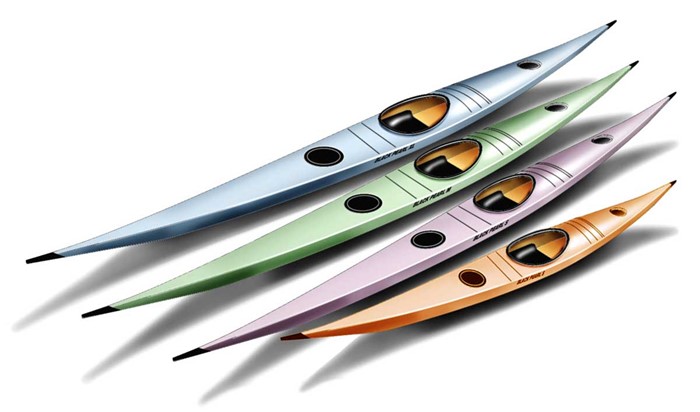
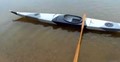 ...och är den av mina kajaker som lockat fram flest fantasifulla färger och mönster, som framgår av bilderna nedan och av Dan Perrys video.
Björn Welin har lagt upp ett par minuter video där han paddlar och rollar sin BP en blåsig dag vid norrlandskusten.
Graham Wintersgill handrollar sin BP.
Jörgen Sjöholm berättar underhållande om sina första erfarenheter av Black Pearl. (på sajten finns också hans byggdagbok, och mycket annat)
Black Pearl stitch-and-glue
Om du tvekar inför ett stripbygge, finns det ett enklare sätt att få nästan samma kajak. Jag har tillsammans med Petruskajak i Tranås och Dan Caouette i Maine ritat/utvecklat sex plywoodversioner av Black Pearl, från 351 cm till 559 cm. De finns att bygga hos Petruskajak i hans numera välkända 8-dagarskurser, men kan också köpas som byggsats.
Stitch-and-glue-konceptet innebär att färdiga plywoodpaneler "sys" ihop till skrov och däck, varefter skarvarna stabiliseras på insidan med glasfiberremsor i epoxy, och utsidan lamineras med glasfiber. Resultatet blir en lätt och stark kajak på grovt räknat halva tiden mot ett stripbygge – eller på en fjärdedel av tiden för den som har ambitioner som inbegriper dekorativ strippning med olika träslag ;-)
Black Pearl ligger så nära förebilden, en östgrönländsk jaktkajak i sälskinn och ribbor, att mycket lite justeringar behövs för att konvertera till plywoodbygge. Det är alltså i alla avseenden samma kajak oavsett byggmetod.
Specifikationer
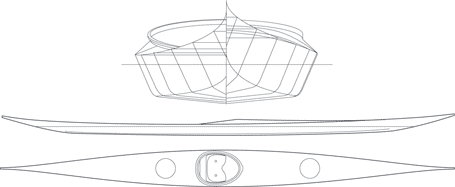
| Längd¹ |
550/460 cm (total/kvl) |
| Bredd |
49/47 cm (total/kvl) |
| Djupgående |
10 cm |
| Sittbrunn¹ |
50x38 cm |
| Innerhöjd¹ |
23/13 cm (framför/bakom sittbrunnen) |
| Vikt² |
13-17 kg |
| Deplacement/volym⁶ |
100 kg/200 liter |
| Fart³ |
8,1/11,2 km/h |
| Prismatisk koefficient |
0,55 |
| Våt yta |
1,69 m² |
| Släpmotstånd⁴ |
1,36/2,57 kp |
| Stabilitet⁵ |
2/2 (initial/slutstyvhet) |
| Användningsområde |
Avancerad paddling, rockhopping mm. Turer med lätt packning till havs, längs kusten och i större sjösystem. Motion och dagstur. |
¹ Dessa mått kan lätt ändras efter egna önskemål
² Beroende på träslag, utrustning, noggrannhet med slipning, laminering etc.
³ Marschfart resp. motsvarande toppfart. Värdena är från början teoretiskt uträknade (Crouch´s formel) och justerade efterhand som jag kan göra relevanta praktiska tester.
⁴ Släpmotståndet i 4 resp. 5 knop mätt i kp vid angiven lastkapacitet.
⁵ Initialstabilitet resp. slutstabilitet – 1 är mycket rank, 5 är mycket stabil.
⁶ Deplacement är kajak + paddlare + last. Räkna bort kajakens vikt för att få lastkapaciteten.
Stabilitet
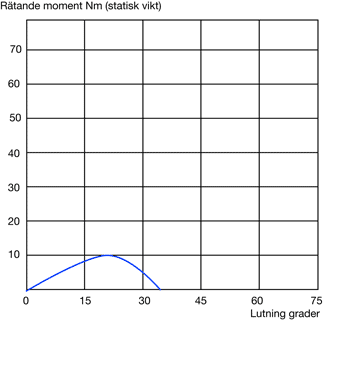
Diagrammet visar beräknade stabilitetskurvor med en statisk last, och säger därför relativt lite om hur kajaken känns för en rörlig paddlare. Kurvan nära noll grader indikerar initialstyvhet (hur kajaken känns när den inte lutar) – ju brantare desto stabilare. Linjen strax till vänster om högsta punkten indikerar slutstyvheten. Ju högre och bredare toppen är desto tryggare känns kajaken att luta. Toppen visar också hur mycket kajaken kan luta utan att det känns instabilt. Kurvan till höger om toppen är svår att utnyttja – minsta misstag så slår man runt.
Om ritningar och bygge
Två ritningsblad rymmer den information som behövs för att bygga kajaken. Spant, stävar och konstruktionsdetaljer i fullskala. Rekommenderad sittbrunn i halv skala med de mått som behövs för att rita ut den (anvisningar finns för den som vill förstora eller förminska den). Linje- och konstruktionsritning i skala 1:10. Viktiga detaljer eller idéskisser i full skala.
Materialåtgången för BP beror på den individuella storleken: kortare än 550 cm, ca 280 löpmeter ribb (20x5 mm) inklusive marginal för spill och ett och annat misstag mm, 16,5 meter glasfiberväv (ca 160 gr/m2 på 100 cm bredd) – längre än 550 cm: ca 310 löpmeter ribb och 17 m väv. Epoxyåtgången är svårare att ange eftersom den till stor del beror på hur den appliceras, men ungefär 6 kg är ett rimligt riktvärde.
Minsta fönstermått för att lyfta ut den färdiga kajaken: 49x23 cm (gäller för paddlare upp till ca 185 cm 85 kg)
Vill du skissa på färger och utrustning finns här en profilritning att ladda ner: importera till Photoshop eller skriv ut och rita/måla: Black Pearl.
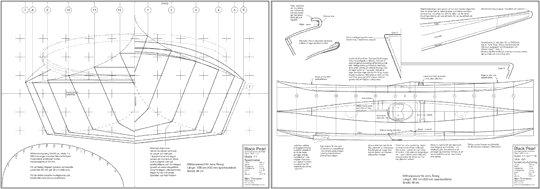
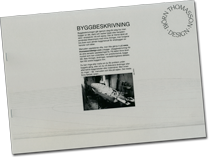 Med ritningssatsen följer en illustrerad byggmanual med 36 sidor, som går igenom alla moment – tillräckligt detaljerat för att även en helt ovan byggare skall klara av att bygga kajaken.
Ritningssats, Black Pearl - 2 600 SEK
Beställ
Mer om Black Pearl
Black Pearl är baserad på de östgrönländska jaktkajakerna från början av 1900-talet och är precis som de låg, smal, lång och rakare i relingen än de äldre västgrönländska. Anledningen till att jag började intressera mig för grönländsk kajakkultur är att jag upptäckte fördelarna med smala ovinklade grönländska paddlar och blev naturligtvis nyfiken på om tillhörande kajak, hade lika mycket att erbjuda.
Grundtanken med en sådan kajak är att den skall sakna egna egenskaper – den skall varken kännas stabil eller ostabil, varken kursstabil eller lättsvängd – utan bara omärkligt följa paddlarens intentioner. Det skall inte kännas som om det finns en kajak ivägen mellan paddlaren och vattnet – ingen inbyggd säkerhet som räddar paddlaren vid misstag men heller ingen levande massa som försvårar snabba manövrar.
Black Pearl är lång, efter grönländsk tradition tre gånger ägarens räckvidd, vilket för de flesta hamnar i intervallet fem till fem och en halv meter. Däremot är vattenlinjelängden relativt liten genom att stävarna är flacka. I låg fart är Black Pearl därför mycket lättsvängd. I högre fart klättrar bog- och häckvågen upp längs stävarna och ger en lång fartgivande vattenlinje med god kursstabilitet. Den smala och korta vattenlinjen innebär liten våt yta och liten volym och därmed minimal friktion och vågbildning. Accelerationen är blixtsnabb – ett par, tre paddeltag så är Black Pearl uppe i toppfart. Ett eskimåskrov med relativt låg volymfördelningskoefficient (PC) har däremot lägre toppfart än de som bygger på skärgårdskajaker (Kavat/Nomad m fl).
Den "låga" toppfarten är dock inget hinder för att tävla – som grönlandskajak är Black Pearl en raket: Erik i Belgien: "needless to say the Black Pearl is a paddler's delight ... fast (very fast as a matter of fact, ask Christophe, Norsaq, France), stable, very good roller, anything you want, except storage space. Erik ".
 Den smala vattenlinjen innebär att Black Pearl är en ganska rank kajak. Totalbredden är ägarens höftbredd plus fyra till åtta fingrar beroende på övriga mått och vad som behövs för stabilitet och lastkapacitet. Det blir för de flesta någonstans kring 46-52 cm – med vattenlinjenbredd ett par cm mindre (som jämförelse är min egen Black Pearl 559 cm lång, 48 cm bred och 21 cm hög framför sittbrunnen (innermått) och jag är 185 lång, väger 80 kg och har 43 i skor). Initialstabiliteten är därför relativt låg och den som kommer från kommersiella havskajaker får räkna med en ganska nervös provtur och att det känns rejält vingligt bara att sätta på kapellet. Men styvheten ökar snabbt med lutning och det känns inte som någon risk för kapsejsning. Det går också ganska snabbt att vänja sig vid den låga initialstyvheten (Black Pearl känns faktiskt initalt mera stabil än t ex en olastad VKV Anita/Måsen Elite – men saknar naturligtvis en hel del av VKV:ernas slutstyvhet) och efter några timmar känns den tämligen stabil och trygg. Den som är van vid initialstabila kajaker får en positiv överraskning i sjögång – eftersom vattenrörelser påverkar en rank kajak mindre än en stabil, gungar Black Pearl bara upp och ner i vågor där den stabilare kajaken kränger våldsamt. Likaså känns Black Pearl trygg i surf – den sjunker ner i sitt vågsystem och går stadigt och lättkontrollerat.
Bordläggningen är rak mellan slag och reling vilket innebär att slutstyvheten är god (så bra den blir med minimalt fribord) – det är lätt att hänga på ett högt stöd eller att vila med ryggen i vattnet.
När Black Pearl kommer upp i fart och bog- och häckvågen klättrar upp längs stävarna, antingen på grund av kraftpaddling eller i surf, blir kajaken påtagligt stabilare – sannolikt beroende på att skrovformen passar perfekt i sitt eget vågsystem (den som händelsevis är bekant med Colin Archers vågformsteori vet vad jag menar). Det var en för mig lite oväntad men mycket tilltalande egenskap, som visar hur hydrodynamiskt avancerad den ursprungliga eskimåkajaken var.
Black Pearl är extremt lättmanövrerad. Den plana botten, de skarpa slagen och den relativt korta vattenlinjen gör att kajaken svänger mycket lätt och reagerar direkt och mycket följsamt på tyngdpunktsförskjutningar och lutningar mm – den mest dansanta kajak jag ritat.
Black Pearl är en låg kajak. Vid fotstödet är höjden bara 20-24 cm. Det kan tyckas lågt men om man sitter på eskimåvis med knäna lätt utåtvinklade, hälarna nästan ihop och fötterna utåtvinklade och en aning framåtlutade är det gott om plats (min egen Black Pearl är 21 cm hög vilket räcker för mina 43:or). Det krävs dock en viss tillvänjning vid en ny sittställning, men när man väl vant sig upptäcker man många fördelar med ett lågt däck. Eskimåerna på östra Grönland för hundra år sedan klarade sig med 18 cm höjd, men hade några storlekar mindre fötter (och det brukar hävdas att inuiter generellt har ökad rörlighet i knäleden alternativt att jägarna från unga år tränar på att böja knäna åt fel håll för att komma i sina låga kajaker!).
Akterdäcket är mycket lågt för att ge möjlighet att ligga på rygg med huvudet på däck – det underlättar avancerade manövrar som balance brace och handrollar m fl. Vid rekommenderad maxlast är fribordet akter om sittbrunnen bara ett par centimeter.
För att välja att bygga Black Pearl bör man vara någorlunda van paddlare (eller ha stora ambitioner och mycket tålamod), och vara mer intresserad av kajakakrobatik, rollar, rockhopping och att utveckla sin paddelskicklighet än av långpaddling med mycket packning.
När jag för första gången kröp ner i min nya Black Pearl och på första försöket satte den handroll jag kämpat med i nästan ett år, visste jag att min paddling aldrig mer skulle komma att bli densamma
Black Pearl – bakgrund och historia
Den östgrönländska kajaken utvecklades ganska sent jämfört med den västgrönländska, men strax före förra sekelskiftet började den ersätta de tidigare typerna runt hela kusten. Jämfört med de äldre typerna var den smalare, längre, hade flackare stävar och rakare relingslinje. Den hade planare botten och mera utfallande sidor. I praktiken var den snabbare, framför allt mot vinden och manövrerade bättre. Initialstabiliteten var något lägre men slutstyvheten bättre. Den krävde mer av paddlaren men hade också mer att ge. På östra Grönland (som blev isolerade under den "lilla istiden" under 1600-talet) levde jakt från kajak kvar ända till för ett par decennier sedan och traditionen är därför i hög grad levande. Mer om grönländsk kajakhistoria.
 Anledningen att jag valde att basera min Black Pearl på den östgrönländska kajaken var att jag var mer intresserad av egenskaperna än av historien och att det främst är avläggare av denna som används i tävlingar på Grönland idag.
Min Black Pearl, ritad 2003, är ingen historisk replik men den ligger ganska nära den kajak som finns på the American Museum of Natural History (fig 208 i "the Bark Canoes and Skin Boats of North America" – som f.ö. i boken felaktigt omnämns som en sydgrönländsk kajak ). Redan att välja stripbygge är en stor avvikelse – förlagan är naturligtvis ribb och skinn. Dessutom är originalet så lågt att en västerlänning skulle behöva kunna böja knäna åt fel håll (eskimåerna hade, enligt vissa urkunder, lite överböjlighet i knäleden) för att få in benen under däcket. När det gäller måtten generellt är de anpassade efter byggarens kroppsmått på samma sätt som eskimåerna anpassade sina byggen efter egen anatomi.
Att jag målade prototypen svart är dels en följd av att eskimåerna på Grönland numera ofta målar de kajaker som används vid rollgrenarna i grönlandsmästerskapen svarta, till skillnad från de som används vid jakt och i fartgrenarna som ofta är vita eller ljusgrå, dels ett jag under byggets gång hittade bilder på internet av Qaanaaq, den lilla kolfiberkajaken som importerades av Orust Kajak och slutligen för att jag ville betona litenheten (mörka färger gör att föremål ser mindre ut än vad de är). Ett roligt sammanträffande är att veckan efter min första provtur med Black Pearl, sjösatte Bill Withcomb i USA en snarlik kolsvart kajak byggd i plywood. Namnet Black Pearl dök upp som förslag från en dotter när hon såg kajaken svartmålad (vid det tillfället hade jag inte hört talas om Captain Jack Sparrow och hans Svarta Pärla ;-).


