Thule
Senast uppdaterad den 6 maj 2025, 14 kommentarer
Bilder | Specifikationer | Mer om | Bakgrund och historia
Ritningssats, Thule - 1 700 SEK
Beställ
Snabbtitt på prestanda

manöverbarhet |

kursstabilitet |

marschfart |
toppfart |

initialstabilitet |

slutstabilitet |
lastkapacitet |
Rekommenderad utrustning: justerbar skädda roder skott/luckor
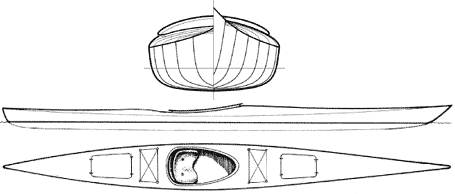
Thule är en rymlig, snabb och säker långfärds- och expeditionskajak med bra kursstabilitet, ritad för att medge hög marschfart med liten ansträngning även i besvärliga förhållanden och med full packning.
Kajaken har tämligen stor volym, gott om plats för knän, fötter och packning och är tänkt för relativt storvuxna paddlare, men har i praktiken visat sig fungera utmärkt även för kortare och lättare personer.
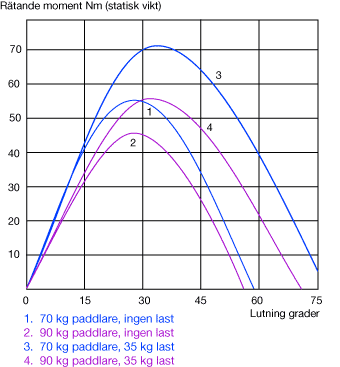
God stabilitet (slutstyvheten är mycket hög) gör att ovana paddlare relativt snabbt lär sig behärska sjögång och att erfarna paddlare kan fortsätta med bibehållen fart och säkerhet även i besvärliga förhållanden.
Genom att Thule har ett relativt högt däck går den att lasta från sittbrunnen och den som vill kan bygga utan skott och luckor.
Specifikationer
| Längd¹ |
550/523 cm (total/kvl) |
| Bredd |
57/54 cm (total/kvl) |
| Djupgående |
11 cm |
| Sittbrunn¹ |
80x40 cm |
| Innerhöjd¹ |
29,5/22 cm (framför/bakom sittbrunnen) |
| Vikt² |
18-23 kg |
| Deplacement/volym⁶ |
150 kg/424 liter |
| Fart³ |
7,4/12,1 km/h |
| Prismatisk koefficient |
0,55 |
| Våt yta |
2,23 m² |
| Släpmotstånd⁴ |
1,64/3 kp |
| Stabilitet⁵ |
4/5 (initial/slutstyvhet) |
| Användningsområde |
Långfärd och expedition till havs, i skärgård, i sjö eller älv. Motion och dagstur. |
¹ Dessa mått kan lätt ändras efter egna önskemål
² Beroende på träslag, utrustning, noggrannhet med slipning, laminering etc.
³ Marschfart resp. motsvarande toppfart. Värdena är från början teoretiskt uträknade (Crouch´s formel) och justerade efterhand som jag kan göra relevanta praktiska tester.
⁴ Släpmotståndet i 4 resp. 5 knop mätt i kp vid angiven lastkapacitet.
⁵ Initialstabilitet resp. slutstabilitet – 1 är mycket rank, 5 är mycket stabil.
⁶ Deplacement är kajak + paddlare + last. Räkna bort kajakens vikt för att få lastkapaciteten.
Stabilitet
Diagrammet visar beräknade stabilitetskurvor med en statisk last, och säger därför relativt lite om hur kajaken känns för en rörlig paddlare. Kurvan nära noll grader indikerar initialstyvhet (hur kajaken känns när den inte lutar) – ju brantare desto stabilare. Linjen strax till vänster om högsta punkten indikerar slutstyvheten. Ju högre och bredare toppen är desto tryggare känns kajaken att luta. Toppen visar också hur mycket kajaken kan luta utan att det känns instabilt. Kurvan till höger om toppen är svår att utnyttja – minsta misstag så slår man runt.
Om ritningar och bygge
Till Thule går det åt ungefär 310 löpmeter ribb (20x5 mm) inklusive marginal för spill och ett och annat misstag mm, 16,5 meter glasfiberväv (ca 160 gr/m2 på 100 cm bredd). Epoxyåtgången är svårare att ange eftersom den till stor del beror på hur den appliceras, men ungefär 6 kg är ett rimligt riktvärde. Värdena gäller om du bygger enligt ritningen – ändrar du längd eller annat måste du såklart justera åtgången proportionellt.
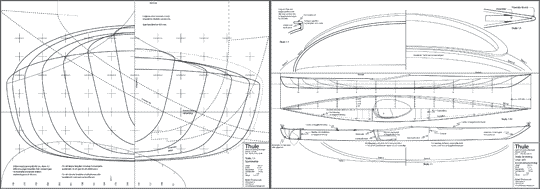
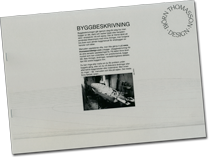 Med ritningssatsen följer en illustrerad byggmanual med 36 sidor, som går igenom alla moment – tillräckligt detaljerat för att även en helt ovan byggare skall klara av att bygga kajaken.
Ritningssats, Thule - 1 700 SEK
Beställ
Minsta fönstermått för att lyfta ut den färdiga kajaken: 57x34 cm
Mer om Thule
Thule är en snabb långfärds- och expeditionskajak, ritad för att medge hög marschfart med liten ansträngning även i besvärliga förhållanden och med full packning. Skrovformen med mjukt rundade slag och vassa stävar gör att Thule går torrt och mjukt även i grov sjögång, med kontrollerade och lättparerade rörelser och utan att bromsas nämvärt i motsjö.
God stabilitet (slutstyvheten är mycket hög) gör att ovana paddlare relativt snabbt lär sig behärska sjögång och att erfarna paddlare kan fortsätta med bibehållen fart och säkerhet även i besvärliga förhållanden. Initialstyvheten är sådan att stödtag i praktiken aldrig förekommer under normal paddling, även i krabb, besvärlig sjögång. Med de knästöd som finns beskrivna i ritningssatsen är Thule lätt att rolla även med stor sittbrunn. De nästan vertikala sidorna innebär att stabiliteten är ungefär densamma med och utan last och den plana botten minskar djupgåendet och ger bra surfegenskaper. Även för stabiliteten är bottenformen viktig – med bra bredd ända ner till botten kan sitsen placeras lågt vilket betyder enormt mycket för den upplevda stabiliteten. Med v-formad eller rund botten tvingas sitsen upp och stabilitet måste åstadkommas med barlast eller större totalbredd, vilket går ut över både paddelegenskaper och hanterbarhet.
Thule är en rymlig kajak med gott om plats för knän, fötter och packning och är tänkt för relativt storvuxna paddlare (> 185 cm och 80 kg), men har i praktiken visat sig fungera utmärkt även för kortare och lättare personer. Lätta personer kan behöva barlasta kajaken vid paddling utan last för att inte vindfånget skall bli besvärande.
Packvolymen är rejält tilltagen. Det finns, utöver normal långfärdspackning, plats för en hel del extraprylar – dykargrejor, kamerautrustning, jakt- eller fiskegrejor eller extra matransoner om man är i områden med glest mellan provianteringsställena.
Trots sin längd är Thule relativt lätthanterad men jämfört med flera av mina andra kajaker är kursstabiliteten förbättrad på bekostnad av manöverbarheten – vilket som vanligt är en stark indikation på att ett roder är en välkommen, eller snarare nödvändig, utrustningspryl. Det innebär också att långtur är trevligare än rockhopping (visserligen går det ganska bra att dra runt Thule även i trånga passager i sjögång men det är roligare i t ex Frej). Akterlig sidvind ger naturligtvis de vanliga problemen med upplovning – med lite tålamod kan man lära sig kompensera med paddelteknik och att slå av på takten men annars är roder en rekommenderad lösning. Ritningen visar alternativ.
Den som vill kan bygga Thule utan skott och luckor. Det välvda däcket gör det lätt att packa från sittbrunnen. Skott och och luckor blir mest en fråga om vana och säkerhet kontra enkelhet, driftsäkerhet och låg vikt.
Bakgrund och historia
Thule, ritad 1997, uppstod ur behovet att få plats med mer utrustning än i min ursprungliga Kavat. Tanken var dels att kunna få plats med dykutrustning på korta turer och dels att på långpaddlingar få plats med både normal långfärdsutrustning och kamera- eller filmutrustning. Samtidigt var målet en snabb kajak med tyngdpunkten på distanspaddling och med minst lika goda sjöegenskaper som Kavat.
Ungefär samtidigt hade Ted Moores beställt en långfärdskajak av båtkonstruktören Steve Killing – den fick namnet Endevour 17 och presenterades i Teds bok Kayak Craft. Jag gillade profilen och lät min Thule få en liknande linjeföring.

Endevour 17

Thule
Däremot tyckte jag att Endevour var för bred och hög i däcket (gjord för genomsnitts-amerikanens kroppshydda) och framför allt var däckets form (klockformat tvärsnitt: hög i mitten och låg ut mot relingen) långt ifrån vad jag ville ha – begränsad plats för knän och fötter trots ett visuellt högt däck. Dessutom var kajaken så gott som omöjlig att rolla genom det höga däcket akter om sittbrunnen.
Så när Thule var färdig på ritbordet var det som vanligt inte mycket som återstod av inspirationskällans linjer. Thule är smalare och har mer volym i stävarna för att höja farten (totala motståndet vid 5 knop sjönk med 8% jämfört med Endeavour) och för bekvämare paddelföring, har ett lägre däck men med mer plats för knän och fötter (genom att däcket är välvt från reling till reling istället för bara en hög topp midskepps), lägre akterdäck för att underlätta rollar, aningen mer språng i kölen för att få bättre manöveregenskaper. Det enda som finns kvar är den stora lastvolymen och en tilltalade profil.
I första presentationen skrev jag att Thule lämpar sig för relativt storvuxna personer - minst 185 cm och 80 kg. Det är den vanliga konsekvensen av stor lastkapacitet. En lätt paddlare måste barlasta kajaken för att inte flyta för högt och få onödigt stort vindfång. Men det visade sig snabbt att även korta och lätta paddlare tyckte att Thule var lättmanövrerad och lätthanterad, så jag nyanserade beskrivningen.
Namnet Thule har egentligen ingenting med kajaken att göra. Thulekulturen var den medeltida eskimåkultur som koloniserade Grönland kring 1000-talet och som utvecklade och använde de ursprungliga grönländska kajakerna. Ännu tidigare var Thule romarnas benämning på det som idag är Sverige.


